
Site Preparation for Infrastructure Placement
Underground Utilities in Wilton for new construction and development projects requiring accurate placement before final grading
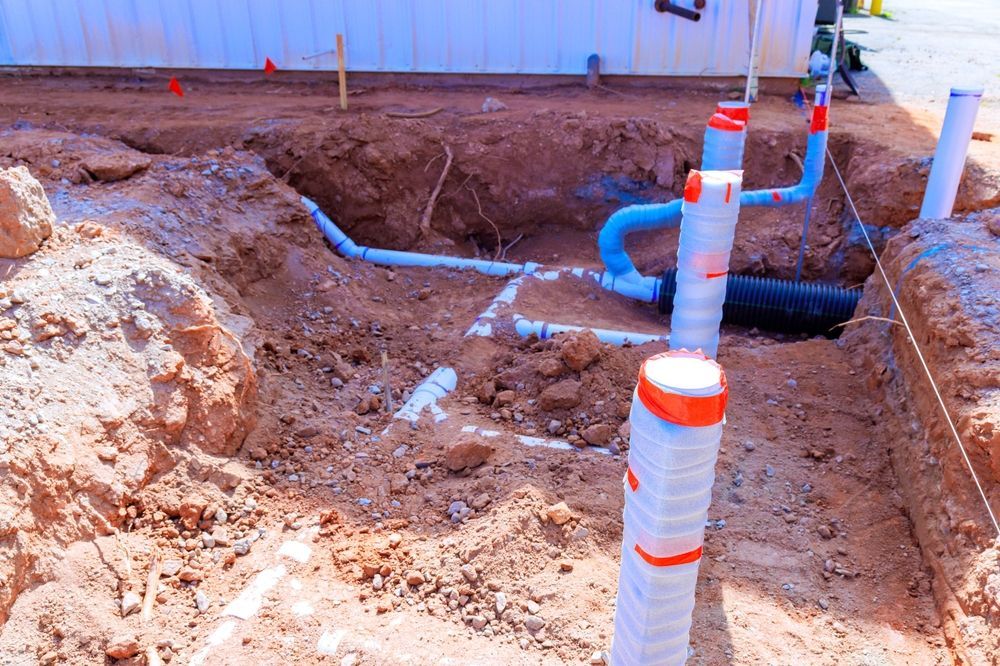
Underground utility installation positions water lines, sewer connections, electrical conduit, and communication cables at depths and locations specified in site plans, so structures receive essential services without requiring surface-level infrastructure that interferes with paving or landscaping. This work coordinates with excavation and grading services to minimize how many times heavy equipment disturbs the same area, which reduces compaction problems and keeps projects moving efficiently. GM Grading and Paving handles underground utility preparation for residential and commercial sites in Wilton, ensuring trenches meet depth requirements and backfill is compacted properly so surfaces above them don't settle after construction finishes.
The service involves locating existing utilities to avoid conflicts, excavating trenches to the depths required by code and site plans, placing bedding material where specifications call for it, and backfilling in compacted layers once utility lines are positioned and inspected. Residential lots typically require water service, sewer laterals, and electrical conduit, while commercial developments add fire lines, storm drains, and data infrastructure.
Schedule a project evaluation to review your site's utility requirements and coordinate installation with other site work.
Why Utility Placement Happens Before Final Surfaces
Utility trenches are excavated to precise depths that allow lines to sit below frost level and beneath any future pavement or concrete, which prevents freezing damage and ensures repairs can happen without tearing out finished surfaces. Trenches follow property lines and easements defined in the site plan, maintaining required clearances from structures and other underground lines. Backfill is placed in lifts and compacted incrementally rather than dumped all at once, because loose fill settles over time and creates depressions in driveways or walkways installed above it.
Once utility lines are placed and trenches backfilled, the site surface returns to grade with no visible indication of what's beneath except for markers identifying cleanouts or valve locations. Compacted trenches support the same loads as undisturbed soil, so paving and concrete installed over them don't crack or settle along trench lines. Water flows to structures through properly sloped service lines, and drainage systems function as designed because elevations were maintained during excavation and backfill.
This service includes trench excavation, bedding placement where required, backfill compaction, and coordination with site grading to ensure finished elevations match plans. It does not include the utility lines themselves, which are typically provided by utility companies or subcontractors, or connection to municipal systems, which requires separate permitting and inspection.
Questions Before Starting Your Project
Underground utility work involves coordinating with multiple trades and inspectors, so property owners and developers often ask about sequencing, site access, and how the work integrates with other construction phases.
What happens before trenches are excavated?
Existing utilities are located through a service like USA North 811, site plans are reviewed to identify conflicts, and access routes are established so equipment can reach work areas without damaging adjacent property or existing infrastructure.
How deep do utility trenches need to be?
Depth varies by utility type and local code, but water lines typically run at least eighteen inches deep to stay below frost level, while sewer lines slope downward toward the connection point at depths that may reach several feet.
Why is trench backfill compacted in layers?
Dumping all the excavated soil back at once traps air pockets that compress over months or years, causing depressions in surfaces above, while compacting every six to twelve inches ensures the fill reaches the same density as undisturbed soil.
When during construction should utility trenching happen?
Utilities typically go in after rough grading establishes general site elevations but before final grading and paving, so trenches can be backfilled and verified before any permanent surfaces are installed over them.
How does clay-heavy soil in parts of Yuba County affect utility installation?
Clay holds moisture and swells when wet, which can shift utility lines if bedding material isn't used, so trenches in expansive soil often require sand or gravel bedding to stabilize pipes and allow drainage around them.
GM Grading and Paving coordinates underground utility preparation with excavation, grading, and paving services, so your site develops efficiently with fewer mobilizations and delays. Call (916) 661-7705 to discuss your project's utility requirements and schedule site preparation that aligns with your construction timeline.