Durable Surfaces for Functional Spaces
Concrete Installation in Wilton for driveways, walkways, slabs, and structural applications that demand long-term strength
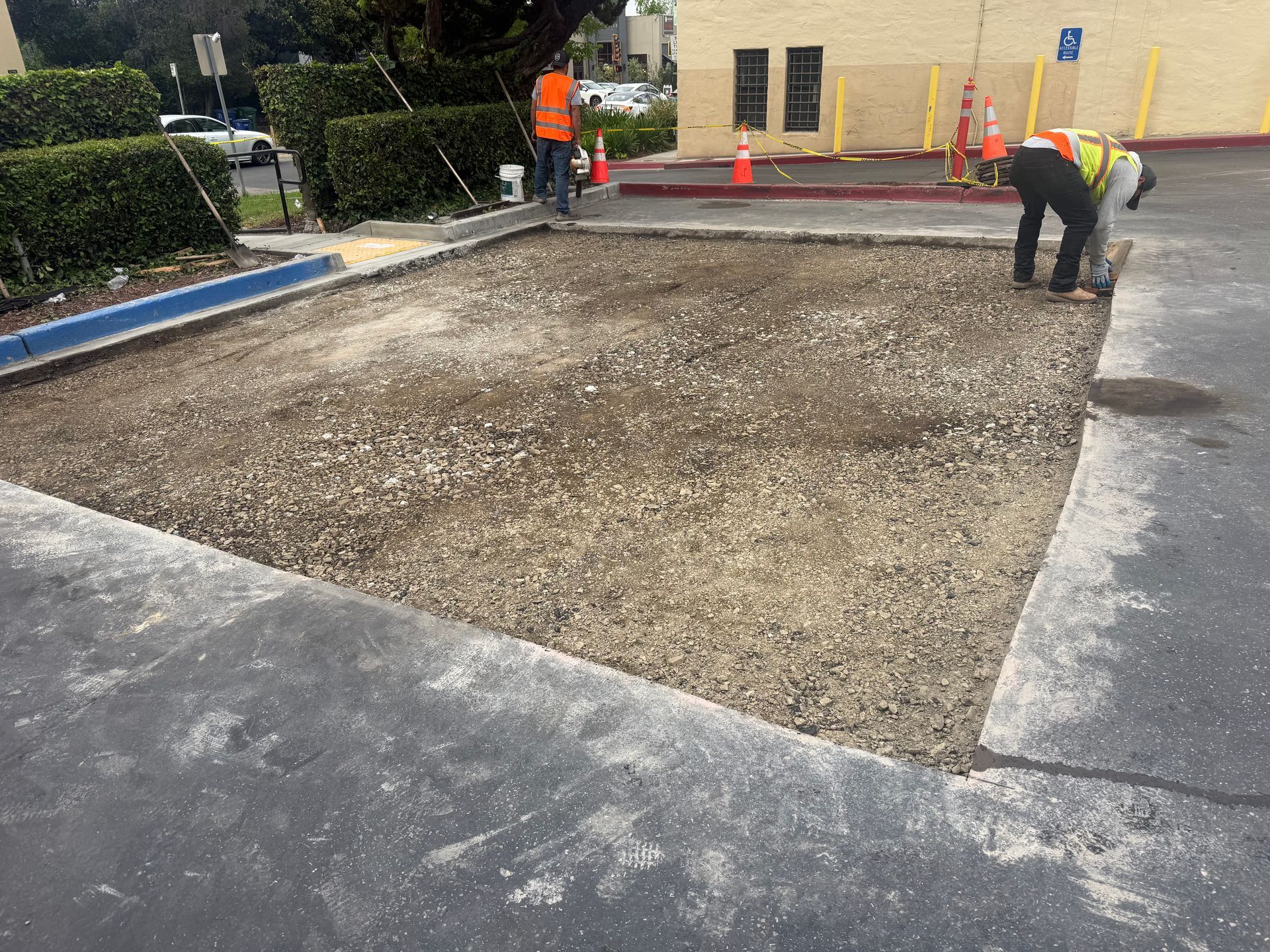
Properly finished concrete maintains clean edges and resists surface spalling even after years of exposure to weather and traffic, while poorly installed concrete cracks along control joints that were spaced incorrectly or settles unevenly because the subgrade wasn't compacted. GM Grading and Paving provides concrete installation for residential and commercial properties in Wilton, integrating grading and excavation work to prepare sites before any concrete is poured. The finished product looks level, feels solid underfoot, and channels water away from structures rather than allowing it to pool on the surface.
This service involves excavating to the required depth, placing and compacting base material, setting forms to define edges and control joints, pouring concrete mixed to the appropriate strength for your application, and finishing the surface with attention to slope and texture. Driveways and high-traffic areas receive thicker pours and reinforcement, while walkways and decorative slabs are finished to match aesthetic requirements.
Contact GM Grading and Paving for a personalized on-site estimate that accounts for your project's specific dimensions and site conditions.
What You Notice Once Concrete Work Is Finished
Concrete installation requires setting forms that define edges and establish the correct slope, placing reinforcement or wire mesh where the design requires it, and pouring concrete at a consistency that allows proper finishing without segregating the aggregate from the cement paste. The surface is floated smooth or broom-finished depending on whether you need traction for vehicle traffic or a cleaner appearance for walkways, and control joints are cut at intervals that allow the concrete to crack predictably along those lines rather than randomly across the slab.
Once cured, the concrete presents a uniform color without discoloration or surface pitting, and edges remain sharp where they meet soil or other materials. Water flows across the surface in the intended direction rather than ponding, and the slab remains level relative to adjacent structures like garage floors or building foundations. Vehicles driving onto concrete driveways don't create ruts or cause the surface to flex, and foot traffic on walkways doesn't erode edges or dislodge aggregate.
The service includes excavation to proper depth, base preparation and compaction, form setup, concrete pouring and finishing, and control joint placement. It does not include decorative staining or stamping, which require specialized finishing techniques, or removal of existing concrete, which is priced separately based on thickness and disposal requirements.
Common Questions About This Service
Concrete projects require decisions about thickness, reinforcement, and curing, so clients in Wilton often ask about timelines, design options, and what affects the finished product's durability.
What thickness does a residential driveway require?
Most residential driveways use four inches of concrete over a compacted base, but properties with heavy vehicles or poor soil conditions may require six-inch thickness or additional reinforcement to prevent cracking under load.
How long before concrete reaches full strength?
Concrete cures enough for light foot traffic within twenty-four to forty-eight hours, but it continues gaining strength for twenty-eight days, so vehicle traffic should be delayed at least seven days to avoid surface damage.
Why are control joints necessary in concrete slabs?
Concrete shrinks slightly as it cures and will crack from that stress, so control joints create weak points where cracks form predictably along straight lines rather than wandering across the visible surface.
How does Wilton's seasonal temperature variation affect concrete work?
Pouring during extreme heat or cold requires adjustments to the mix and curing process, which is why most concrete projects in the Central Valley are scheduled during moderate weather to avoid surface defects caused by rapid drying or freezing.
What's the difference between broom-finished and smooth-finished concrete?
Broom finishing drags bristles across the surface to create texture that improves traction on driveways and sloped walkways, while smooth finishing produces a cleaner appearance suitable for interior slabs or covered areas where traction is less critical.
GM Grading and Paving delivers concrete installations built to meet structural requirements and site specifications, with clean finishes and proper drainage slope. Schedule a site consultation to discuss your project's design and receive a detailed cost estimate.