Maintenance That Extends Pavement Life
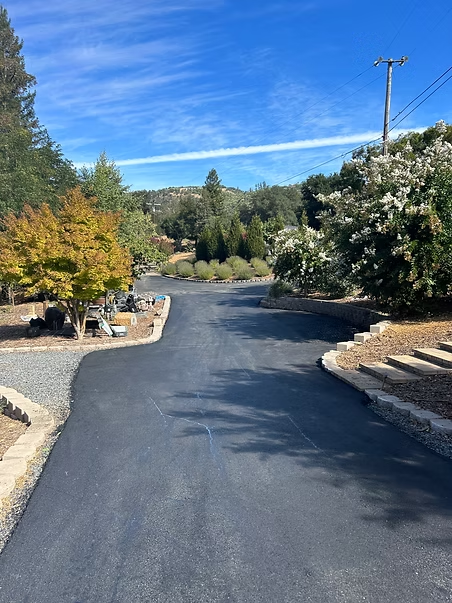
Seal Coating in Wilton for asphalt surfaces showing early wear before cracking and deterioration require costly repairs
Asphalt oxidizes when exposed to ultraviolet light and oxygen, which dries out the binder holding the aggregate together and causes the surface to turn gray, become brittle, and eventually crack. Seal coating applies a protective layer that slows this oxidation process, filling small surface voids and restoring a uniform appearance to asphalt that has faded from black to gray. GM Grading and Paving provides seal coating for driveways and parking lots in Wilton, helping property owners extend the functional life of their paved surfaces before structural repairs become necessary.
The process begins with cleaning the asphalt to remove dirt, oil stains, and loose material, then applying a coal-tar or asphalt-based sealer in two thin coats that bond to the existing surface. Proper surface preparation determines how well the sealer adheres, which is why oil spots must be treated separately and any loose aggregate swept away before application begins.
Arrange a consultation to evaluate your asphalt's current condition and determine whether seal coating or more extensive repair is appropriate.
The Difference Between Sealed and Unsealed Asphalt
Seal coating works by forming a barrier that prevents water infiltration into small surface cracks and reduces the rate at which UV exposure breaks down the asphalt binder, which is the petroleum-based glue holding the aggregate stones together. The sealer fills minor surface imperfections and creates a smooth, dark finish that sheds water more effectively than aged, porous asphalt. Application requires temperatures above fifty degrees Fahrenheit and dry conditions for at least twenty-four hours afterward, so timing the service around weather is essential for proper curing.
After seal coating cures, the asphalt appears uniformly black instead of faded gray, and water beads on the surface rather than soaking in. The texture feels slightly smoother because the sealer has filled small voids, though the underlying aggregate pattern remains visible. Sealed surfaces resist oil stains better than bare asphalt and require less frequent cleaning to maintain appearance, though the coating wears gradually over two to three years and requires reapplication to maintain protection.
Seal coating addresses surface wear and oxidation but does not repair structural damage like base failure, deep cracks, or potholes. Surfaces with significant cracking or alligator patterns need repair work before sealing, and areas with oil saturation require primer treatment because sealer won't bond to petroleum-contaminated asphalt.
What Property Owners Usually Ask
Seal coating decisions depend on the asphalt's age, condition, and how much traffic it receives, so property owners frequently ask about timing, application methods, and cost-effectiveness compared to other maintenance options.
How soon after asphalt installation should seal coating be applied?
New asphalt should cure for at least six months before seal coating, allowing volatile oils in the asphalt to evaporate so the sealer bonds properly rather than trapping those oils beneath the surface layer.
What surface preparation does seal coating require?
The asphalt must be power-washed or swept clean, oil stains treated with primer, and any cracks larger than a quarter-inch filled with crack filler, because sealer is too thin to bridge gaps or adhere to contaminated surfaces.
How often should asphalt be seal coated?
Driveways in Wilton typically benefit from seal coating every two to three years, depending on sun exposure and traffic levels, while commercial parking lots with heavier use may require more frequent application to maintain protection.
Why does seal coating improve appearance but not load-bearing capacity?
Sealer is a surface treatment measured in mils thick, not a structural material, so it prevents surface deterioration from oxidation and water but doesn't add strength to support heavier loads or repair underlying base problems.
What weather conditions are required for successful application?
Seal coating requires dry pavement, air temperatures above fifty degrees, and no rain forecast for twenty-four hours, because moisture prevents proper adhesion and early rain exposure washes away sealer before it cures.
GM Grading and Paving applies seal coating with careful surface preparation to ensure proper adhesion and long-lasting protection for your asphalt investment. Request an inspection to determine whether your pavement is ready for seal coating or requires repair work first.