Bases That Support Long-Term Structural Integrity
Foundations in Wilton for properties requiring stable, level bases before new construction or expansion
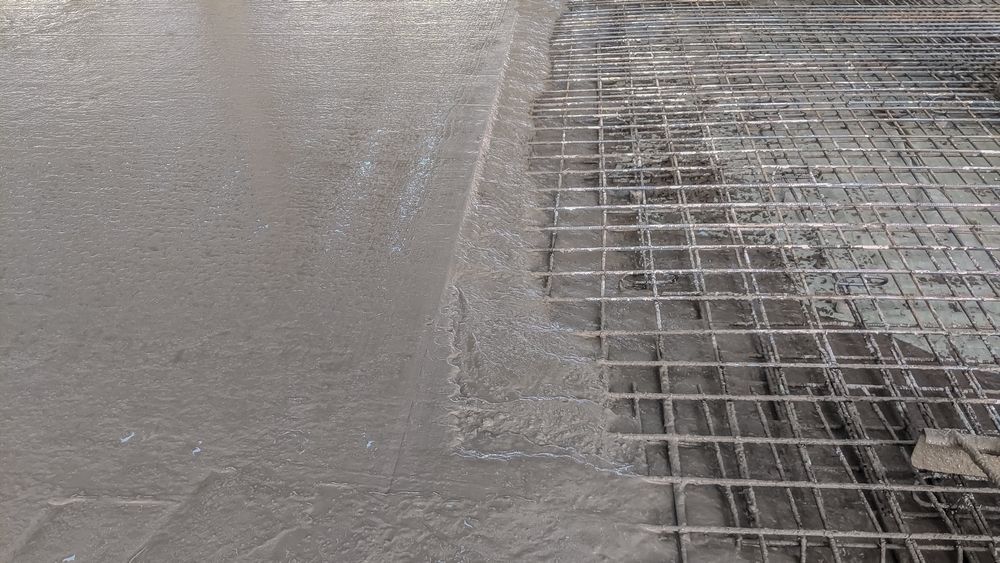
GM Grading and Paving prepares and installs foundations for residential and commercial builds across Wilton, handling the critical groundwork that determines whether a structure remains stable for decades or develops cracking and settlement issues within years. Foundation work begins with excavation that accounts for soil type and load requirements, followed by grading that creates a level base, then placement of materials chosen specifically for the project's structural demands. Property owners adding new buildings, expanding existing structures, or starting commercial developments rely on this service when the ground must support significant weight without shifting.
Foundation preparation integrates excavation with precision grading to remove unsuitable soil, compact the subgrade to engineered standards, and establish drainage pathways that prevent water from pooling beneath the slab or footings. The work addresses soil conditions common in Yuba County, where seasonal moisture changes cause certain clay-heavy soils to expand and contract, creating pressure that can crack poorly prepared foundations. Each foundation type—whether slab-on-grade, stem wall, or deep footing—requires different excavation depths, compaction levels, and site preparation steps to match the building's load and the ground's bearing capacity.
Schedule a detailed on-site assessment to evaluate your property's soil conditions and foundation requirements.
What Proper Foundation Preparation Requires
Foundation installation begins with soil evaluation that determines excavation depth and compaction standards, followed by removal of organic material and unstable soil layers that would compress unevenly under load. The subgrade is compacted in lifts using heavy equipment that achieves density specifications set by engineering plans, preventing future settlement that shows up as cracks in walls, uneven floors, or doors that no longer close properly. For projects requiring it, utilities are trenched and placed before the foundation goes in, coordinating plumbing, electrical conduit, and gas lines with the structural layout.
Once the foundation is poured and cured, you see a surface that remains level across its entire area, with no low spots where water collects and no high points that interfere with framing. Drainage systems installed during preparation route water away from the foundation perimeter, so basements stay dry and slabs do not develop moisture problems that damage flooring or encourage mold growth. The compacted base prevents differential settling, meaning one section of the building does not sink faster than another, which is the primary cause of structural cracks and misaligned walls in new construction.
Foundation work includes site grading that establishes proper slope away from the building, utility coordination when needed, and compaction testing to verify density meets engineering specifications. Projects on sloped lots require additional excavation and retaining structures to create a level building pad, while properties with high groundwater may need drainage systems installed below the foundation layer. GM Grading and Paving handles foundation types ranging from residential slab installations to commercial footings that support multi-story structures, adjusting the preparation process to match the project's structural requirements and soil conditions.
Questions Before Starting Your Foundation Project
Foundation projects raise practical questions about site preparation, timing, and what the work involves from excavation through final grading.
What happens during the foundation preparation process?
Excavation removes unsuitable soil to the required depth, the subgrade is compacted in layers to engineered density standards, and grading establishes the level base and drainage slope needed before concrete or other foundation materials are placed.
How does soil type in Wilton affect foundation work?
Clay-heavy soils common in parts of Yuba County expand when wet and shrink when dry, requiring deeper excavation to reach stable material and more thorough compaction to prevent seasonal movement that causes cracking.
When should utilities be installed relative to foundation work?
Utility trenches for water, sewer, electrical conduit, and gas lines are typically dug and placed after excavation but before the foundation goes in, allowing pipes to be positioned correctly without cutting through finished concrete later.
What does integrated site preparation include?
Foundation installation coordinates with excavation that clears the building footprint and grading that establishes drainage patterns across the entire property, ensuring water flows away from the structure and the building pad remains stable.
How do you know the foundation base is compacted properly?
Compaction testing measures soil density at specified intervals, verifying that the subgrade meets the bearing capacity required by engineering plans and will not settle unevenly under the building's weight.
GM Grading and Paving coordinates foundation preparation with excavation and grading services to deliver complete site prep for new construction and property expansions. Contact the team at (916) 661-7705 for a project consultation that evaluates your site conditions and foundation needs.