Controlled Removal for Site Redevelopment
Demolition in Wilton for properties clearing existing structures, concrete, or asphalt before new construction
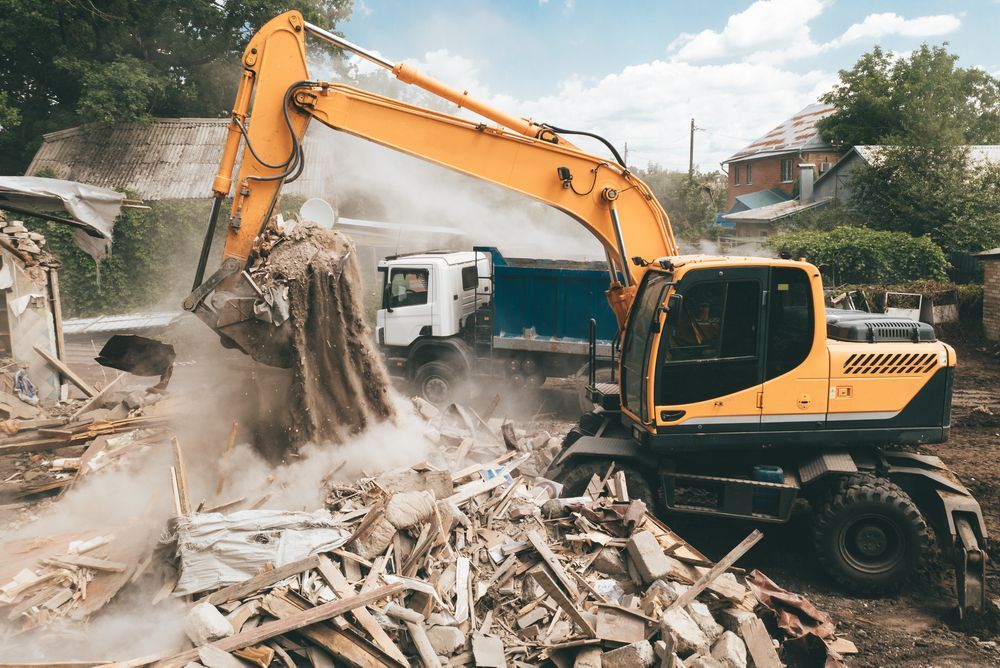
When aging buildings, deteriorated pavement, or obsolete concrete structures occupy land needed for new development, demolition clears the site in a controlled sequence that removes materials safely without damaging adjacent property or underground utilities. Property owners in Wilton preparing for redevelopment, commercial expansion, or residential rebuilds contact GM Grading and Paving when existing structures must be taken down completely, broken concrete needs removal before fresh paving, or failed site improvements require replacement. The work transforms cluttered or decayed properties into clean, level sites ready for excavation and new construction.
Demolition planning evaluates the structure's size, material composition, proximity to utilities and neighboring buildings, and access routes for equipment and hauling trucks before work begins. Crews systematically dismantle or break down buildings, slabs, and hardscapes using equipment matched to the material—hydraulic breakers for reinforced concrete, excavators with grapples for building frames, and saws for controlled cuts in pavement. Surrounding areas are monitored throughout the process to prevent debris migration, dust spread, and vibration damage, with careful attention given to locating and protecting underground gas lines, water mains, and electrical service that remain active during demolition.
Contact GM Grading and Paving for a project walkthrough and estimate that addresses your site's specific demolition needs.
What Changes After Demolition Completes
Demolition work begins with disconnecting utilities and removing hazardous materials if present, then proceeds through structural takedown or concrete breaking, debris sorting for recycling or disposal, and final site clearing that removes all remnants of the previous improvements. Concrete and asphalt are often crushed and recycled as aggregate base material, while metal components are separated for scrap recycling, reducing the volume of material sent to landfills. The pace and method vary based on whether the project requires complete building removal, partial demolition to preserve certain sections, or simply breaking out old pavement and foundations.
Once demolition finishes, the property shows no trace of the previous structures except the level, cleared ground where they stood, with debris hauled away and the site graded to rough elevations that prepare for excavation or grading work. Underground obstructions like old footings, buried tanks, or pipe remnants are removed during the process, preventing conflicts when new foundations or utilities are installed later. The clean site allows surveyors, engineers, and construction crews to begin their work without delays caused by unexpected remnants or inaccessible areas.
Demolition integrates with excavation and grading services to deliver full site transformation, moving directly from structure removal to ground preparation without separate mobilizations. Projects requiring selective demolition preserve portions of existing buildings or hardscapes while removing only what conflicts with new construction, demanding precise cuts and controlled material handling. The service includes planning that identifies utility locations, obtains necessary permits, and schedules work to minimize disruption to surrounding properties and roadways.
Common Questions About Demolition Projects
Demolition raises questions about planning, safety measures, material disposal, and how the work fits into broader redevelopment timelines.
What preparation occurs before demolition begins?
Planning includes utility location and disconnection, hazardous material assessment, permit acquisition, and access route evaluation to confirm equipment can reach the site and haul trucks can remove debris efficiently.
How is demolition managed to protect surrounding areas?
Work proceeds in controlled stages with dust suppression, vibration monitoring near sensitive structures, and debris containment measures that prevent material from spreading beyond the work zone.
What happens to demolished concrete and asphalt in Wilton?
Concrete and asphalt are typically crushed and recycled as base material for roadways and paving projects, while clean soil is reused on site or at other locations, reducing landfill disposal and lowering overall project costs.
When does demolition require selective removal versus complete teardown?
Selective demolition is used when portions of a building or hardscape remain functional and will be incorporated into new construction, requiring precision cutting and careful material handling to avoid damaging what stays.
How does demolition coordinate with excavation and grading timelines?
Demolition typically completes first to clear the site, followed immediately by excavation that removes old footings and buried obstructions, then grading that establishes final elevations for new construction.
GM Grading and Paving handles demolition projects with detailed planning and efficient execution, preparing Wilton properties for redevelopment and new construction. Reach out at (916) 661-7705 to discuss your site transformation and receive a project estimate.